


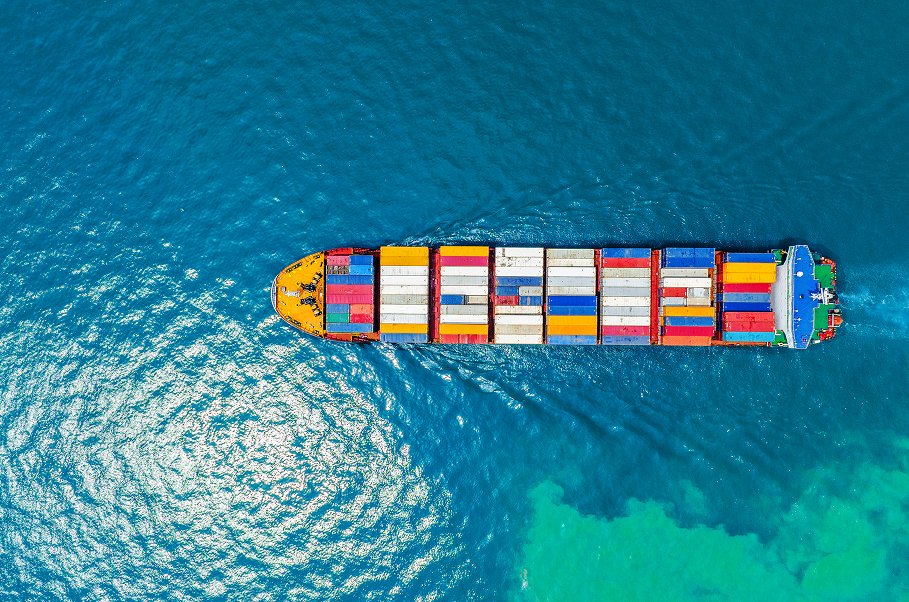
Maritime transport is responsible for a significant portion of global greenhouse gas emissions, making it a critical point in discussions about sustainability and decarbonization. Recently, the Infrastructure Committee debated strategies and policies aimed at reducing the environmental impact of this sector in Brazil.
Why decarbonize maritime transport?
Shipping cargo is essential for global trade, but it is also a significant source of CO₂, sulfur oxides, and particulate pollutants. Decarbonizing the sector is not only an environmental issue, but also an economic and strategic one.
- It reduces regulatory risks and environmental fines;
- Reduces regulatory risks and environmental fines; Aligns Brazil with international emissions reduction targets;
- It encourages investment in cleaner and more efficient technologies;
- It improves the competitiveness of companies that adopt sustainable practices.
Technologies and solutions discussed
During the discussions, several solutions for reducing emissions in maritime transport were addressed:
- Use of alternative fuels, such as green hydrogen and biofuels;
- Energy efficiency in vessels, with optimized engines and intelligent navigation systems;
- Industrial filters and carbon capture systems, capable of reducing the amount of CO₂ released directly from ship chimneys;
- Digitization and monitoring, ensuring more efficient routes and lower fuel consumption.
The role of public policies
In addition to technology, government regulation and incentives are essential to enabling the maritime sector’s transition to more sustainable practices. Subsidies, tax incentives, and clear emission standards can accelerate the adoption of decarbonization solutions.
Conclusion
The debate in the Infrastructure Committee reinforces that decarbonizing maritime transport is not only an environmental necessity, but also a strategic path for Brazil to position itself as a competitive and responsible country in global trade. The adoption of clean technologies and smart policies will be fundamental to ensuring a more sustainable future for the sector.